“`html
How Magicians Craft Compelling Finales
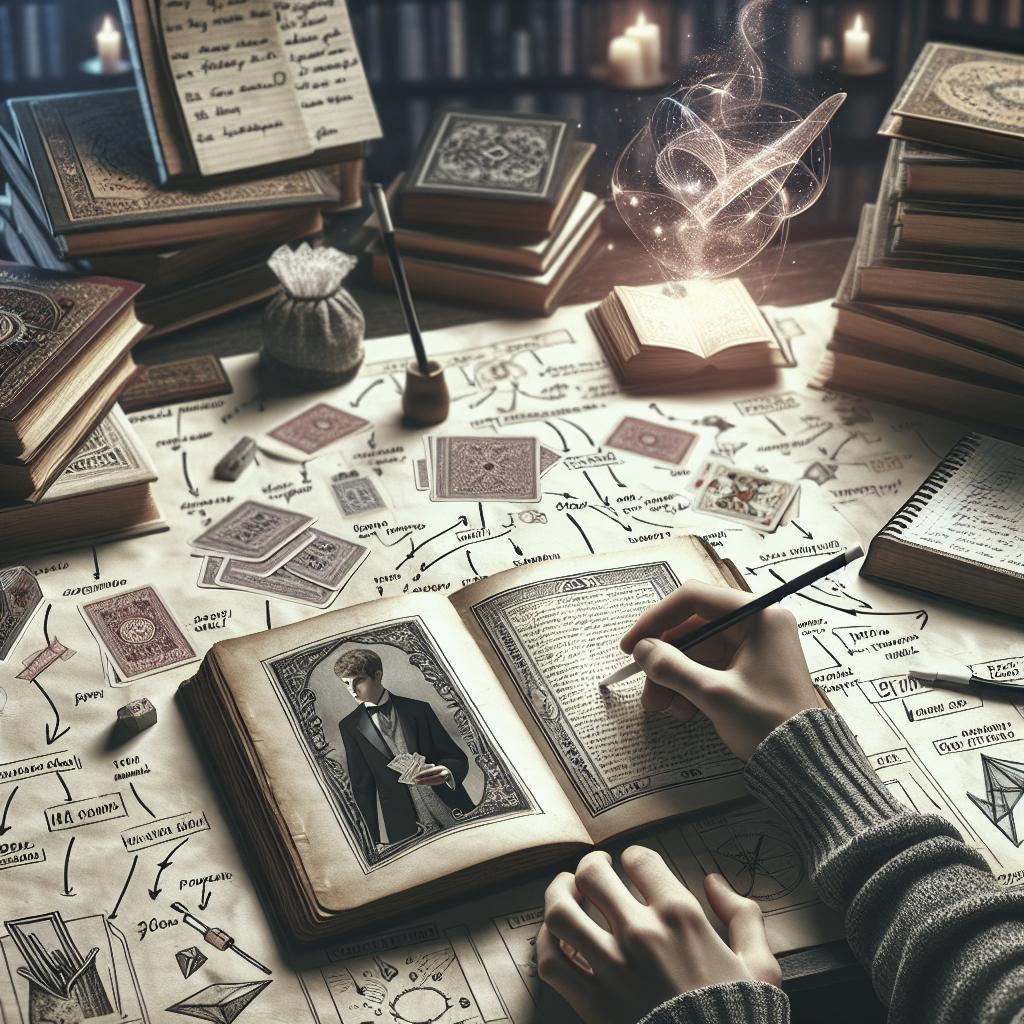
Magic has enchanted audiences for centuries, turning the impossible into reality and creating moments of wonder that linger in our minds. This blog post delves into the captivating world of stage magic, exploring its rich history, the mechanics behind the most popular tricks, and the art of crafting a compelling finale. We’ll take a close look at the various categories of magic, including card tricks, coin tricks, mentalism, and grand illusions. By understanding these elements, magicians can create magical experiences that captivate and mesmerize. Follow us on this journey as we unveil the secrets behind choosing the right tricks, effective sequencing, and mastering the art of presentation. Whether you’re a seasoned performer or a curious enthusiast, there’s something here for everyone to learn and take away from the mesmerizing world of magic.
The Art of Stage Magic Tricks
The History of Magic on Stage
The art of stage magic has a fascinating history that dates back to ancient civilizations where magicians were considered mystical figures. Over time, magic evolved, enchanting the courts and common people alike. During the 19th century, magic began to flourish as prominent figures like Jean Eugène Robert-Houdin brought sophisticated stage performances to the public, laying the groundwork for modern magic.
The golden age of magic, which began in the late 19th century, saw magicians becoming international celebrities. These performers, such as Harry Houdini and Howard Thurston, pioneered the large-scale illusions and tricks that would spellbind audiences around the globe. Today, stage magic continues to evolve, blending traditional techniques with technology to keep audiences on the edge of their seats.
Understanding the Different Types of Magic Tricks
Magic encompasses a broad array of tricks, each with its own charm and allure. Understanding these different types is key to crafting a captivating performance. Close-up magic, for instance, involves intimate and interactive tricks performed up close, such as card and coin tricks. These require a high level of skill and finesse to deceive the observer.
On the other hand, there are the grand illusions, made famous by stage magicians who perform large-scale, theatrical tricks. These often involve elaborate setups and well-coordinated team efforts. Mentalism, a different genre, focuses on the magician’s ability to convince the audience of extraordinary mental prowess, such as mind reading and prediction, offering a more psychological approach to magic.
Card Tricks
Basic Principles of Card Tricks
Card tricks are a cornerstone of magic, and mastering the basics can enhance any magician’s repertoire. They often rely on sleight of hand, misdirection, and the magician’s ability to manipulate the deck imperceptibly. These tricks are versatile, as they can be performed almost anywhere, requiring only a simple deck of cards.
At their core, card tricks exploit human psychology, focusing on cognitive blind spots and preconceived notions. A magician’s skill lies in leading the audience down a false path, using a variety of techniques such as shuffles, cuts, and false placements to create an illusion of randomness that leads to a stunning reveal.
Popular Card Tricks Used on Stage
Among the many card tricks, some have become staple acts in stage magic. The “Ambitious Card” trick involves a selected card magically rising to the top of the deck multiple times, despite being placed elsewhere. This trick’s repeated success amazes audiences and showcases the magician’s deft control.
Another popular card trick is “The Invisible Deck,” where a spectator’s chosen card is revealed as the only face-down card in an otherwise correctly-facing deck. Such tricks leverage audience participation, making them highly engaging and memorable parts of any performance.
Coin Tricks
Understanding Coin Manipulation
Coin tricks are another classic element of magic shows, requiring precise hand movements and agile manipulation. Coin magic relies heavily on sleight of hand and the ability to control smaller, fast-moving objects with skill and precision.
The art of coin manipulation involves techniques such as palming, switching, and vanishing. Magicians practice these techniques tirelessly, allowing them to create seemingly impossible scenarios, such as making a coin pass through solid objects or appear out of thin air.
Common Coin Tricks in Magic Shows
Some coin tricks have become timeless classics in the world of magic. Tricks like the “Coin Matrix,” where coins inexplicably transpose between spaces, and “Coin Bend,” where a spectator’s coin appears to bend in the magician’s hand, leave audiences in awe.
Additionally, the “Misers Dream,” which involves continuously producing coins from thin air and dropping them into a bucket, is a staple trick that never fails to amaze. Performers adept at these tricks possess a keen ability to manipulate audience perspectives and maintain the illusion of magic.
Mentalism
What is Mentalism?
Mentalism delves into the mind’s mysteries, using the magician’s persuasive power to create the illusion of supernatural mental abilities. Unlike traditional magic, mentalism focuses more on psychological effects, requiring the magician to master subtleties of speech, timing, and audience psychology.
Mentalists are often thought to possess exceptional cognitive capabilities, like reading thoughts or predicting future events. These performances create a profound connection with the audience, often leaving them questioning the bounds of human understanding.
Incorporating Mentalism in Stage Magic
Incorporating mentalism into stage performances involves carefully crafted routines that give the illusion of mind-reading or psychic abilities. Tricks like “The Book Test,” where a spectator’s chosen word from a book is predicted, or “The Prediction,” where the magician predicts the outcome of random audience decisions, are popular among mentalists.
Properly integrated mentalism adds depth to a magic show, offering audiences more than just visual illusions but an intriguing exploration into the power of the human mind. This specialty demands exceptional storytelling and audience engagement skills for maximum impact.
Grand Illusions
The Spectacle of Grand Illusions
Grand illusions are the hallmark of stage magic, captivating audiences with larger-than-life performances. These breathtaking acts often involve extravagant props, skilled assistants, and complex logistics to create a spectacle that seems to defy all logic.
Famous grand illusions, such as sawing a person in half or making an object levitate, rely on a seamless combination of theatrics, technology, and expert timing. Such tricks are instant crowd-pullers and form the centerpiece of many stage magician’s shows.
Types of Grand Illusions in Stage Magic
Grand illusions come in various forms, each designed to lift the audience into a realm of wonder. “Levitation illusions,” where the magician appears to float unassisted, and “Teleportation tricks,” where people or objects seem to vanish and reappear elsewhere, are particularly captivating.
“Escapology acts,” such as those made famous by Harry Houdini, involve escaping from confinement, such as straitjackets or underwater chains. These acts induce suspense and provide thrilling climaxes to a magic show. Grand illusions require meticulous planning, execution, and a strong sense of showmanship to ensure they both impress and create a memorable experience.
Building a Magic Show
Choosing the Right Tricks
When building a magic show, it’s crucial to deliver a balanced performance that features a mix of tricks. The choice of tricks should consider the audience, venue, and intended theme. Close-up tricks may be more suited for intimate environments, while grand illusions better fit larger stage shows.
Magicians must select tricks that suit their unique style and brand, allowing for creative expression while ensuring the feats performed resonate with their audience. A successful show seamlessly integrates personal flair with classic elements of surprise, all the while maintaining a coherent narrative.
Sequencing Tricks for Maximum Impact
Sequencing is all about building anticipation and strategically escalating the performance’s intensity to maintain audience engagement. The starting tricks should invite intrigue, slowly building towards more complex and surprising acts, while the finale turns the performance into a crescendo of amazement.
Proper sequencing involves a balance of pacing, ensuring that each act enhances the preceding ones while setting the stage for what follows. The transition between tricks is vital, aiming at smooth and logical progressions that heighten the audience’s emotional journey through the performance.
Mastering Presentation and Performance
Compelling magic lies not just in the tricks but also in the art of presentation and performance. A magician’s personality, storytelling, and audience interaction significantly enhance the viewing experience, transforming tricks into lasting memories.
Magicians must develop a strong stage presence, use effective communication skills, and cultivate an engaging rapport with audiences. Rehearsing the timing, tone, and theatrics of each act helps in delivering seamless, captivating performances that ensure a magic show’s success and audience satisfaction.
Lessons Learned
| Section | Summary |
|---|---|
| The Art of Stage Magic Tricks | Explored the rich history and variety of tricks, emphasizing the importance of understanding different magic types. |
| Card Tricks | Discussed techniques and popular tricks, highlighting the subtle skills involved in card magic. |
| Coin Tricks | Reviewed coin manipulation methods and classic coin tricks that captivate audiences. |
| Mentalism | Explained mentalism’s focus on the mind and its integration into stage performances for a psychological twist. |
| Grand Illusions | Covered the spectacle of grand illusions and their impact on large-stage performances. |
| Building a Magic Show | Guidance on choosing, sequencing tricks, and mastering presentation for delivering engaging shows. |
Recent Posts
Explore more magical insights by checking out our recent posts on the world of magic and illusion!
Visit us on Youtube
For more visual magic and behind-the-scenes content, subscribe to our YouTube channel for exclusive videos and tutorials.
Socials
Stay connected with us through social media. Follow our magical journey on Instagram, Twitter, and Facebook for updates and interactions!
“`